
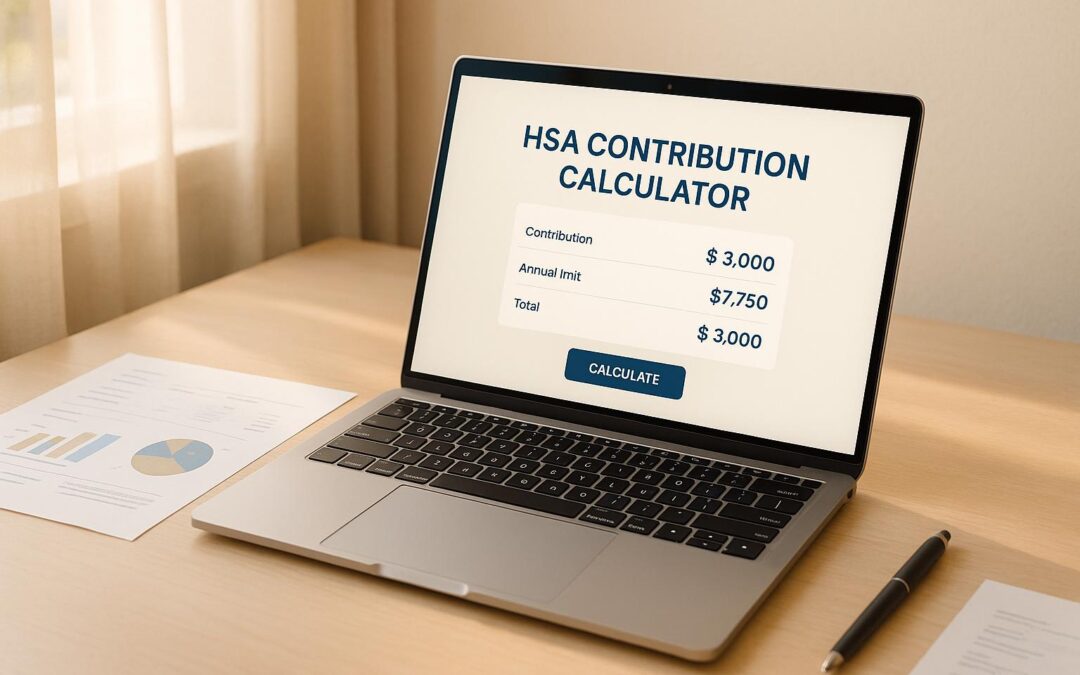
Maximize Your Savings with an HSA Contribution Calculator
Navigating the world of Health Savings Accounts can feel like a maze, but figuring out how much you can stash away each year shouldn’t be. Whether you’re new to HSAs or a seasoned saver, understanding your allowable contribution limit is key to making the most of this tax-advantaged account. These accounts, tied to high-deductible health plans, offer a triple tax benefit—deductible contributions, tax-free growth, and tax-free withdrawals for medical expenses. But how do you know what you’re eligible to contribute?
Why Knowing Your HSA Limit Matters
Every year, the IRS sets specific caps on how much you can put into an HSA, based on factors like your filing status and age. For instance, limits differ if you’re single or covering a family, and those over 55 get a bonus catch-up amount. Missing out on contributing the full amount means leaving money—and tax savings—on the table. On the flip side, over-contributing can lead to penalties. That’s where a tool to calculate your Health Savings Account limit comes in handy, ensuring you stay within the rules while optimizing your savings. Beyond just numbers, it’s about planning smarter for healthcare costs down the road.
FAQs
Who is eligible to contribute to an HSA?
Great question! To contribute to a Health Savings Account, you need to be enrolled in a high-deductible health plan (HDHP). You also can’t be enrolled in Medicare or be claimed as a dependent on someone else’s tax return. If you don’t have an HDHP, unfortunately, you’re not eligible to contribute, but our tool will let you know right away if that’s the case for you.
What are the HSA contribution limits for 2023?
For 2023, the IRS sets the HSA contribution limit at $3,850 for single filers and $7,750 for family coverage. If you’re 55 or older, you can add a $1,000 catch-up contribution on top of that. Keep in mind these limits adjust slightly for past years, and our calculator accounts for those differences automatically.
Why should I max out my HSA contributions?
HSAs are a fantastic way to save for medical expenses with some serious tax perks. Your contributions are tax-deductible, the money grows tax-free, and withdrawals for qualified medical costs aren’t taxed either. Maxing out your limit, if you can afford it, builds a solid safety net for future healthcare needs—especially since funds roll over year after year. Just remember to consult a tax pro to ensure it fits your financial plan!

Recent Comments