

Medicare, a cornerstone of the U.S. healthcare system, is a federal program designed to provide health insurance to seniors and certain individuals with disabilities. However, understanding its intricacies – enrollment periods, plan options, associated costs, and supplemental choices – can feel daunting. This guide breaks down Medicare step by step, addressing key questions to help individuals, families, and employers in Illinois navigate these complexities with confidence.
Introduction: Why Understanding Medicare Matters

For Illinois residents managing household or business healthcare decisions, finding the right Medicare coverage is critical for both financial stability and comprehensive care. Whether you’re nearing age 65, helping a loved one enroll, or exploring benefits as an employer, the choices made today can impact healthcare access and costs for years.
This guide provides a complete overview of Medicare, offering essential insights for every phase of the decision-making process. From understanding enrollment deadlines to evaluating supplemental coverage and cost-saving options, this resource is tailored to empower you with knowledge.
sbb-itb-a729c26
What Is Medicare? A Brief Overview
Medicare began in 1965 as a federal program aimed at providing insurance to seniors aged 65 and older. Over time, it has expanded to include individuals under 65 with Social Security Disability Insurance (SSDI) or end-stage renal disease.
Medicare is divided into several parts, each covering specific healthcare needs:
- Part A (Hospital Insurance): Covers inpatient hospital care, skilled nursing facility stays, hospice care, and limited home healthcare. Most people do not pay a premium for Part A if they or their spouse have worked for at least 10 years.
- Part B (Medical Insurance): Covers outpatient care, doctor visits, preventive services, and some medical equipment. Part B requires a monthly premium, which is income-based.
- Part C (Medicare Advantage): An alternative to Original Medicare, offered through private insurers, often bundling Parts A, B, and D, and including additional benefits such as dental or vision.
- Part D (Prescription Drug Coverage): Helps cover the cost of prescriptions, offered as a standalone plan or included in some Medicare Advantage plans.
Understanding Medicare Enrollment: Key Timelines and Penalties
Initial Enrollment Period
Your first opportunity to enroll in Medicare is during a seven-month window:
- Begins three months before your 65th birthday month
- Includes the month you turn 65
- Ends three months after your birthday month
Special Enrollment Periods (SEPs)
If you delay Medicare enrollment because you’re still working and covered by a qualifying employer plan, you can avoid penalties by enrolling during an SEP after leaving your job.
Important: If your employer has fewer than 20 employees, you must enroll in Medicare at age 65, as Medicare becomes the primary payer.
Late Enrollment Penalties
Failing to enroll during your initial window or special enrollment period can lead to lifelong penalties:
- Part B: A 10% premium increase for each full 12-month period you delayed enrollment.
- Part D: A penalty of 1% of the national average premium for every month you went without creditable coverage.
Choosing the Right Medicare Plan: Supplements vs. Advantage Plans
Original Medicare with a Supplemental Policy (Medigap)
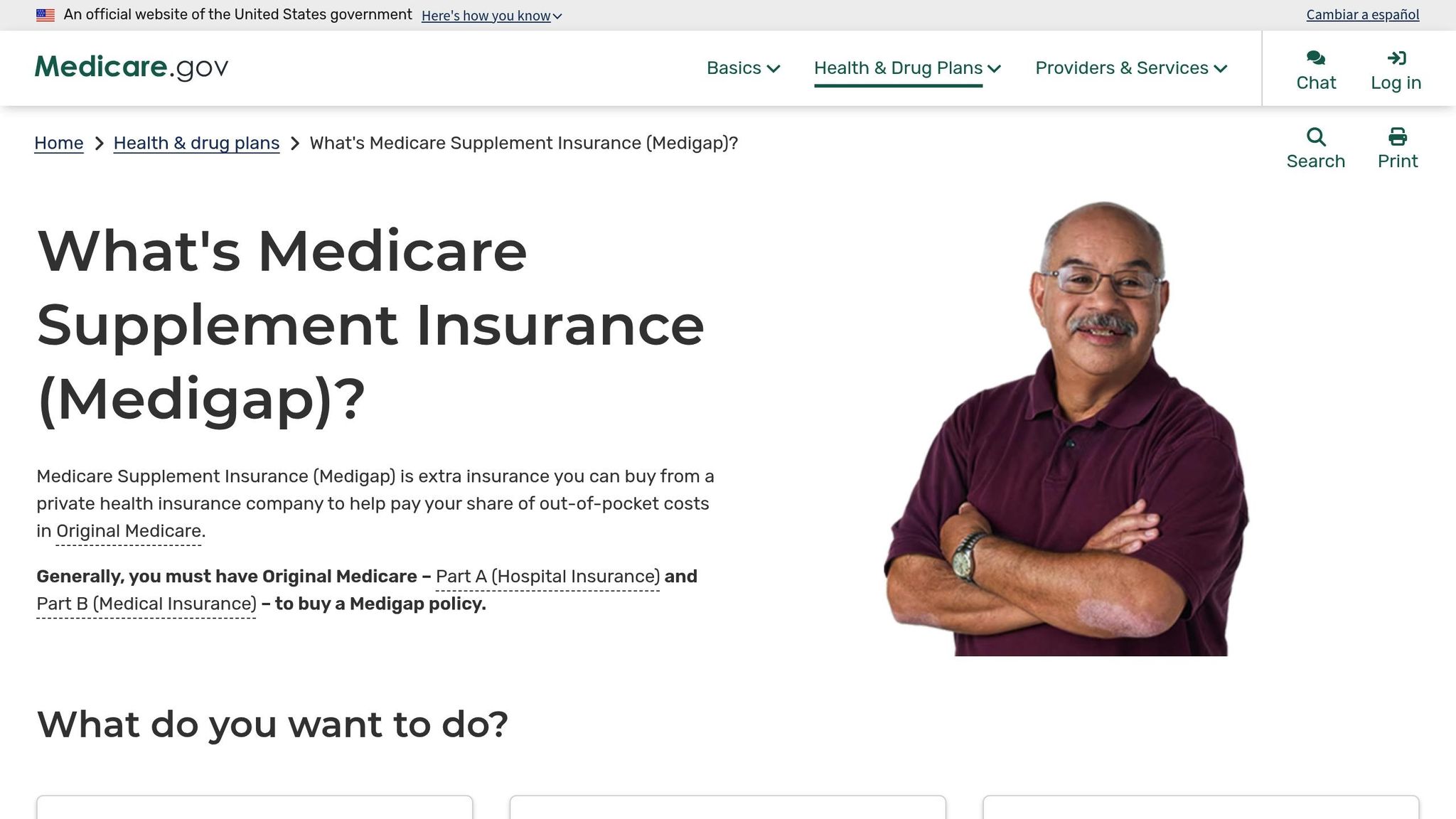
Medigap plans help cover out-of-pocket expenses like deductibles and co-pays not covered by Original Medicare. Key features include:
- Standardized benefits: Plan types (e.g., Plan G, Plan N) are consistent across insurers.
- Flexibility: No networks – visit any doctor or facility that accepts Medicare.
- Guaranteed issue: At initial enrollment, you can get coverage without medical underwriting.
While Medigap plans offer predictable costs, premiums increase with age and can become expensive over time.
Medicare Advantage (Part C)
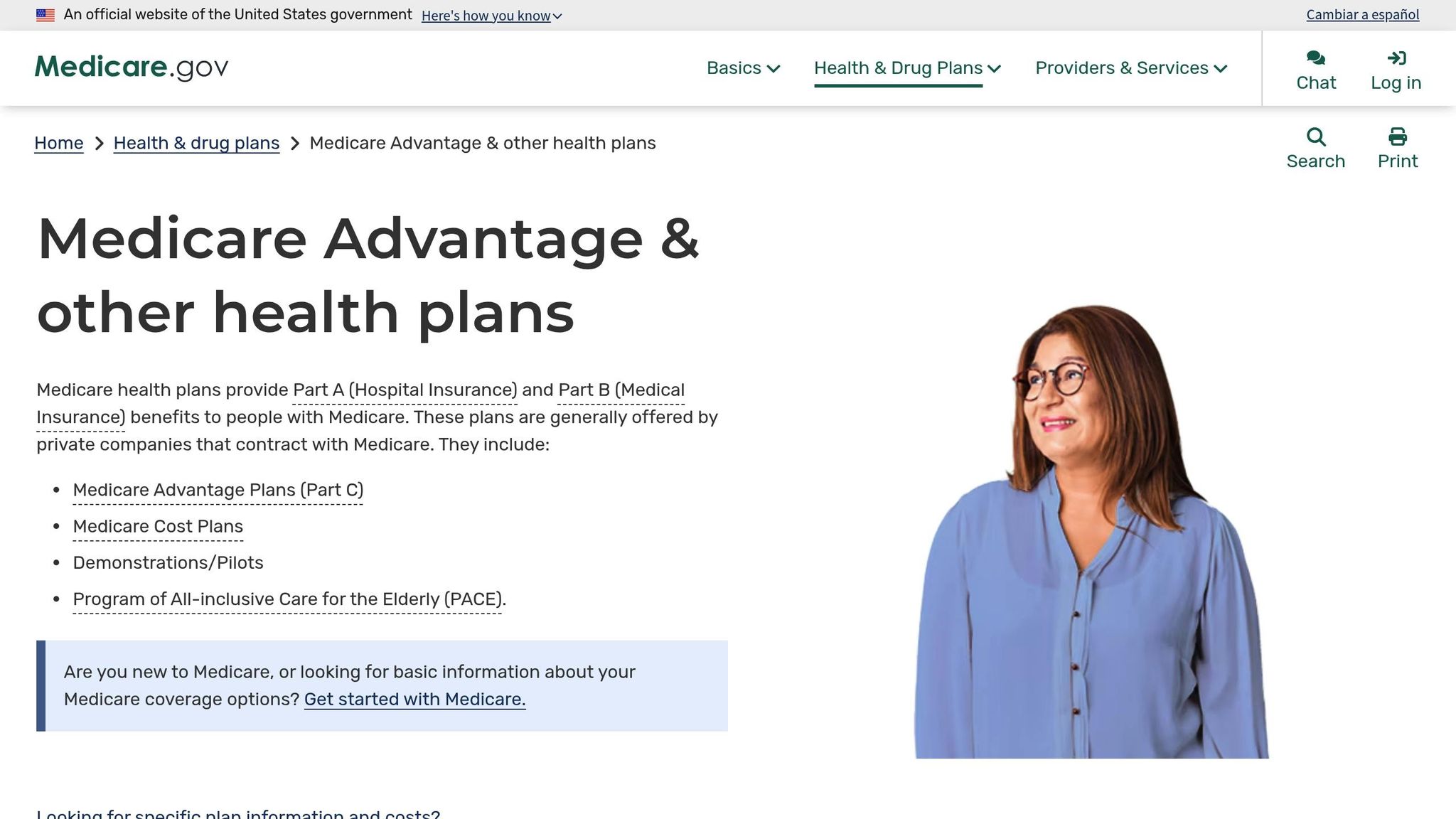
Medicare Advantage plans are managed by private insurers, offering coverage similar to Original Medicare but often with additional benefits like dental, vision, and hearing. Features include:
- Lower premiums: Many plans have $0 premiums.
- Networks: Most plans require you to use in-network providers (HMO) or offer partial coverage for out-of-network care (PPO).
- Yearly flexibility: Plans reset annually, allowing you to switch during open enrollment.
Medicare Advantage plans provide cost-saving opportunities, but they require careful evaluation to ensure your preferred doctors, hospitals, and medications are covered.
Prescription Drug Coverage (Part D)
Prescription drug plans, whether standalone or part of Medicare Advantage, are critical even if you don’t take medications. Without Part D, you may face penalties and high out-of-pocket drug costs later.
Key Features of Part D:
- Formularies: Insurers categorize drugs into cost tiers. Review your plan annually to confirm your prescriptions are covered.
- Catastrophic Coverage: Once you spend $2,000 out of pocket (as of 2025), your drug costs are fully covered for the rest of the year.
- Extra Help Programs: Low-income individuals may qualify for reduced drug costs through programs like Medicaid or state-specific initiatives like Pennsylvania’s PACE.
Special Considerations for Employers and HSAs
Health Savings Accounts (HSAs)
If you’re enrolled in an HSA through your job, you cannot contribute tax-free funds once you enroll in Medicare. To avoid penalties, stop HSA contributions six months before enrolling in Medicare Part A or B.
Employer Coverage
If you’re covered under a group plan:
- With 20+ employees: You can delay Part B enrollment without penalties.
- With fewer than 20 employees: You must enroll in Medicare as your primary coverage at age 65.
Key Takeaways
- Understand Enrollment Deadlines: Missing the initial or special enrollment period for Part B or Part D can result in lifelong penalties.
- Know Your Options: Original Medicare with Medigap offers predictable costs, while Medicare Advantage provides lower upfront premiums but variable co-pays.
- Evaluate Prescription Drug Plans Annually: Formularies and coverage terms change yearly, requiring regular reviews to avoid unexpected costs.
- Consider Future Needs: Medigap plans become expensive over time, while Medicare Advantage offers flexibility to adjust coverage annually.
- Avoid HSA Penalties: Stop contributions six months before enrolling in Medicare.
- Check Employer Coverage: Confirm whether your employer’s plan is creditable and whether Medicare will be primary or secondary.
- Utilize Additional Resources: State programs like PACE can assist with drug costs, while Social Security offers extra help to qualifying individuals.
Conclusion: Making Informed Choices
Navigating Medicare can seem overwhelming, but understanding your options and the rules associated with enrollment, coverage, and costs can help you make confident, informed decisions. By regularly reviewing your coverage – especially during annual enrollment periods – you can ensure your healthcare plan adapts to your evolving needs while minimizing expenses.
Whether you’re enrolling for the first time, balancing employer coverage, or evaluating prescription drug options, the key to success lies in thorough research and personalized planning. By approaching Medicare decisions with clarity and strategy, you can secure the healthcare coverage you need at a cost you can afford.
Source: "All About Medicare" – Fort Pitt Capital Group, YouTube, Aug 5, 2025 – https://www.youtube.com/watch?v=o6icSXenMAk
Use: Embedded for reference. Brief quotes used for commentary/review.

Recent Comments